
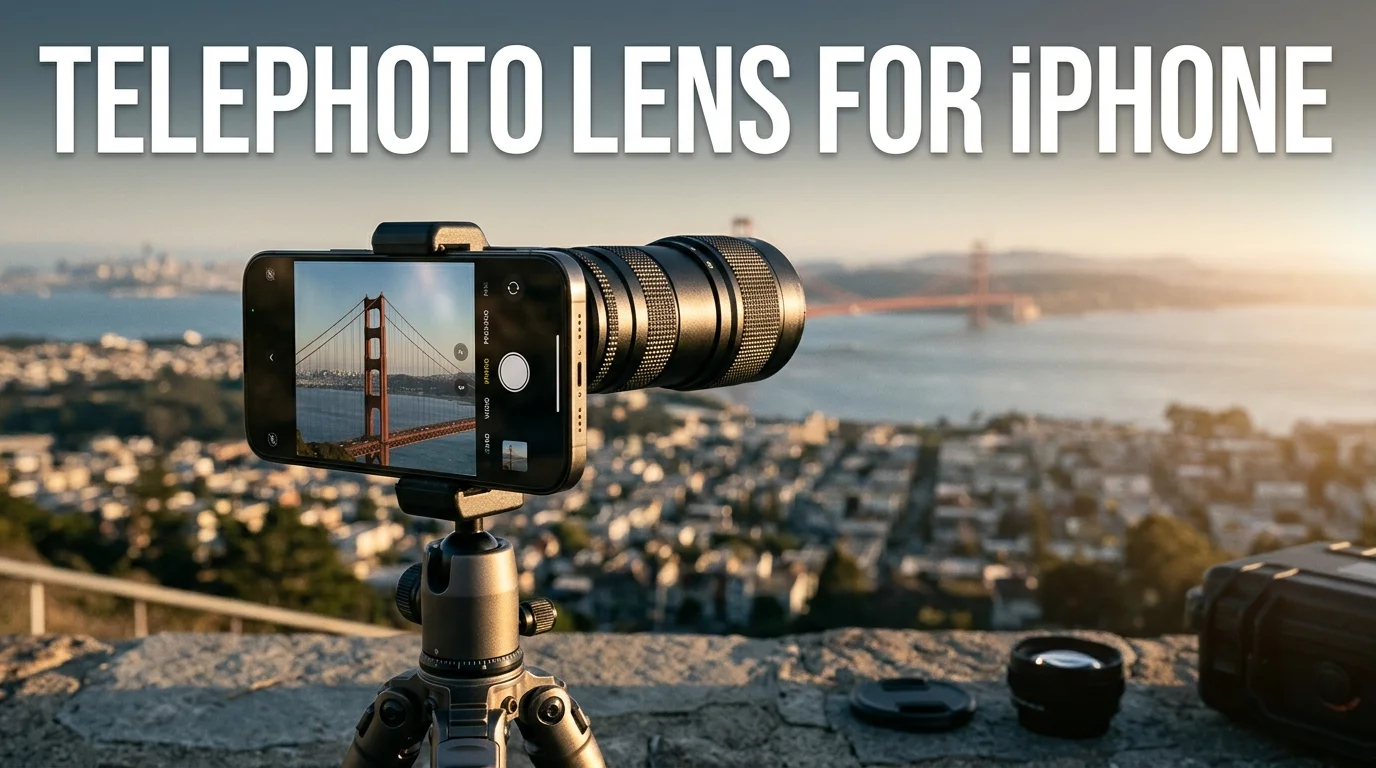
A telephoto lens for iPhone can give you cleaner close-ups without depending heavily on digital zoom. The right attachment can improve portraits, travel details, wildlife shots, and distant subjects. Your iPhone model and mounting system matter as much as the advertised magnification.
A good iPhone zoom attachment adds optical reach without relying on aggressive digital cropping. Choose a 58–60mm 2x option for portraits and travel. Choose longer optics for wildlife or sports, but expect more weight and stronger stabilization needs.
| What to consider | Best choice for most users |
|---|---|
| Everyday portraits | 58–60mm, roughly 2x |
| Travel and street photography | Compact 2x attachment |
| Wildlife and distant subjects | 3.5x, 6x, or longer option |
| Stable mounting | Model-specific case or threaded mount |
| Handheld use | Lighter 2x lens |
| Long-range photography | Tripod-supported lens |
| Newer Pro iPhones | Compare the attachment against native zoom first |
Best Telephoto Lens for iPhone: Quick Picks
Current choices range from pocketable portrait lenses to heavier long-range optics. Prices below reflect manufacturer listings checked in November 2026. Availability and promotions can change, so confirm the final price before ordering.
| Lens | Approximate U.S. price | Magnification | Best for | Main consideration |
|---|---|---|---|---|
| SANDMARC Telephoto 2x | \$155 | 2x | Portraits and travel | Case or compatible mount needed |
| Moment Tele 58mm | \$150 | About 2x | Natural portraits | T-Series mounting required |
| ShiftCam 60mm Tele | \$129.99+ | 2x | Street and portraits | Mount sold separately in some setups |
| Freewell 1.7x Telephoto | \$129.99 | 1.7x | Compact controlled shooting | Requires 17mm threaded mount |
| Freewell 6x Telephoto | \$149.99 | 6x | Distant subjects | More demanding to stabilize |
These products serve different photographers, so magnification shouldn’t be the only factor in your decision. Mount quality, weight, camera alignment, and intended subjects often matter more. A moderate lens usually suits more situations than an extreme zoom.
1. SANDMARC Telephoto 2x: Best All-Around Choice
SANDMARC’s current 58mm model provides 2x optical magnification using multi-element, multi-coated glass. The company lists a 52-degree field of view and a 61-gram weight. Its current lens-only price is \$155 on the SANDMARC product page.
This option works especially well for portraits, street scenes, buildings, and tighter travel compositions. Tom’s Guide also selected a SANDMARC 58mm model as its leading iPhone telephoto choice in 2026. That independent testing makes it easier to recommend than products supported only by manufacturer claims.
Pros
* Moderate 2x reach works for many subjects. * Relatively light 61-gram construction. * Dedicated cases improve alignment. * Multi-coated glass. * Strong independent review support.
Cons
* Lens-only pricing does not include every required accessory. * Best setup can require a dedicated case. * Extreme wildlife shooters may want greater reach.
We recommend SANDMARC for buyers who want one versatile attachment. It balances reach, portability, mounting options, and established third-party testing. Buyers seeking extreme magnification should consider a longer specialist option instead.
2. Moment Tele 58mm: Best for Natural Portraits
Moment lists its Tele 58mm Mobile Lens at \$150 in the United States. The design targets portrait compression and stronger subject separation instead of extreme magnification. You can check current availability on the Moment Tele 58mm page.
A 58mm-style view can make faces look more natural than close wide-angle portraits. It also helps isolate subjects from distracting backgrounds. The smaller field of view encourages deliberate framing without making the setup excessively long.
Pros
* Portrait-friendly focal length. * Premium mobile-photography ecosystem. * Compact compared with long-range optics. * Useful for street details and travel.
Cons
* Requires Moment’s compatible mounting system. * Not designed for extreme distance. * Total setup cost can exceed the lens price.
Choose Moment when portrait quality matters more than maximum zoom. Its moderate reach suits people, food, products, and street scenes. Confirm your phone and case compatibility before purchasing the lens.
3. ShiftCam 60mm Tele: Best Flexible Alternative
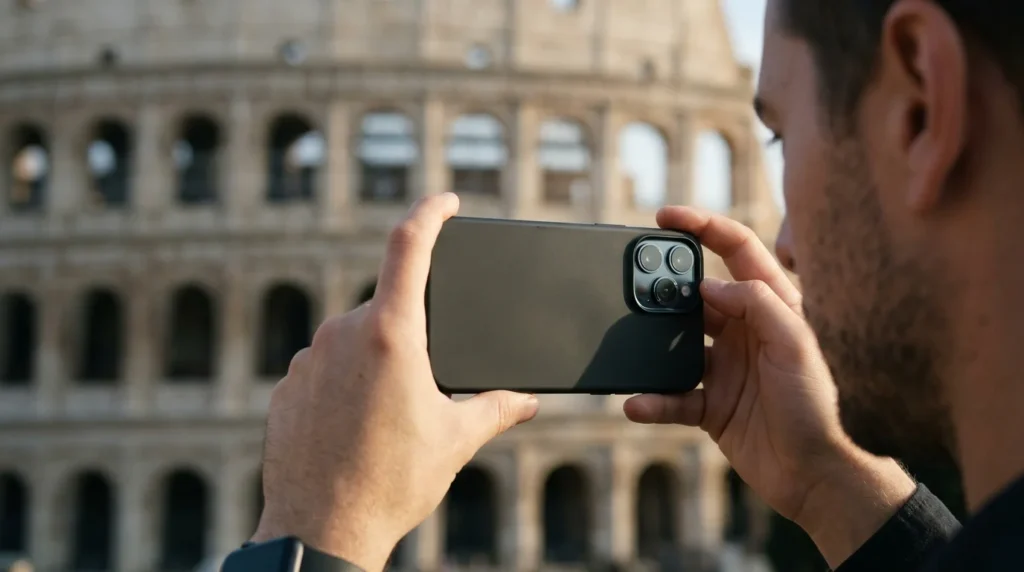
ShiftCam markets its 60mm option for portraits, architecture, and street photography. Its current listings place selected versions around \$129.99, depending on the product series. The company specifies approximately 2x magnification for its V-Series 60mm model.
ShiftCam also supports several mounting systems across recent iPhones. That flexibility helps users who already own compatible ShiftCam cases or accessories. Some configurations need a separate S.Mount case or universal mounting solution.
Pros
* Useful 60mm-style portrait perspective. * Broad smartphone compatibility. * Works with ShiftCam’s accessory ecosystem. * Suitable for video and photography.
Cons
* Mounting accessories can increase total cost. * Different ShiftCam series can confuse first-time buyers. * Long-range shooters need another model.
This option makes the most sense for photographers already using ShiftCam equipment. New buyers should calculate the complete mounting cost first. Comparing the full kit price prevents surprises after the lens arrives.
4. Freewell 1.7x: Best for 17mm Threaded Rigs
Freewell’s 1.7x model currently starts at \$129.99 in the United States. The company specifies 1.7x optical magnification and recommends mounting it over the main camera. It uses a standard 17mm threaded interface.
The lens weighs about 192 grams, making it heavier than the SANDMARC 2x option. That extra weight makes a secure case or camera cage especially useful. A small tripod or grip can also improve consistency during longer shooting sessions.
Pros
* Standard 17mm threaded mounting. * Works well with phone cages. * Filter-friendly design. * Moderate magnification.
Cons
* Heavier than many portrait attachments. * Requires compatible threaded hardware. * Less convenient for casual pocket use.
Choose this model when you already own a 17mm mobile filmmaking rig. It fits structured shooting better than quick snapshots. Casual users may prefer a lighter case-mounted solution.
5. Freewell 6x: Best for Longer Reach
Freewell currently lists a 6x smartphone option at about \$149.99. Its longer reach targets distant subjects that moderate portrait lenses cannot frame tightly. Sports, wildlife, and faraway details are the clearest use cases.
Long magnification also exaggerates small hand movements. A tripod, solid grip, or stable surface becomes much more valuable at this range. Bright conditions also make long-distance mobile photography easier.
Pros
* Much greater reach than 2x attachments. * Useful for wildlife and distant details. * Competitive price for specialist magnification.
Cons
* Harder to shoot handheld. * Alignment becomes more critical. * Less practical for portraits and everyday photography.
Buy a 6x model only when long distance is your main goal. A moderate 2x optic is easier for everyday photography. Extreme zoom sounds attractive, but it creates more demanding shooting conditions.
Do You Need an Add-On Lens on a Pro iPhone?
Recent Pro iPhones already offer substantial native telephoto capability. Apple lists 4x and 8x optical-quality options on the iPhone 17 Pro camera system. Apple’s published specifications put its 8x view at a 200mm equivalent.
That capability changes the buying decision for Pro owners. An attachment should offer a specific perspective, better main-camera use, or greater specialized reach. Buying extra glass simply because it promises more zoom can create unnecessary complexity.
Standard iPhone owners can gain more from moderate attachments because their native camera options differ. Always compare your existing focal lengths before spending money. This check can save money and reduce equipment you rarely carry.
What Magnification Should You Choose?
A 1.7x to 2x lens is the safest starting point for most photographers. It gives noticeably tighter framing while remaining manageable without a large tripod. Portraits, travel details, architecture, pets, and street scenes fit this range well.
Longer attachments suit more specific subjects. Wildlife, stadium events, distant buildings, and moon photography benefit from stronger magnification. These uses also demand steadier support and more careful alignment.
Ignore enormous magnification numbers unless the product explains how they are achieved. Optical magnification and digital zoom work differently. Digital enlargement can crop existing pixels rather than capture additional optical detail.
Check Compatibility Before You Buy
Every telephoto lens for iPhone must align precisely with the intended camera module. A lens designed around one mounting system may not fit another case. New camera layouts can also change which rear camera requires alignment.
Start with your exact iPhone model, then check the manufacturer’s compatibility chart. Confirm whether the package includes a case, clip, cage, threaded plate, or separate adapter. This step prevents the most common accessory-buying mistake.
Remove any conflicting case before mounting an incompatible clip system. A poorly centered optic can create dark corners, softness, or uneven sharpness. Basic phone care habits also help protect your device and accessories.
How to Get Sharper Photos With an iPhone Zoom Lens
Clean both the phone camera and attachment before taking photographs. Fingerprints can reduce contrast and make bright lights appear hazy. A clean microfiber cloth is usually enough for routine cleaning.
Support the phone whenever magnification increases. Brace your elbows, use a grip, or mount the phone on a tripod. Even small movements become more visible when distant subjects fill the frame.
Shoot in good light whenever possible. Faster shutter speeds can reduce movement blur from your hands or moving subjects. Long-range mobile photography becomes harder as available light decreases.
You should also learn which camera your phone selects automatically. Some iPhones can switch camera modules under certain shooting conditions. A compatible camera app may offer more direct control when an accessory requires a specific module.
Privacy settings matter too when third-party camera applications request photo, camera, microphone, or location permissions. Review permissions before giving an unfamiliar application broad access.
What Should U.S. Buyers Spend?
Most worthwhile midrange options in this comparison cost roughly \$130 to \$155 before extra mounting hardware. The total can rise when you need a dedicated case, cage, grip, filter, or tripod. Compare complete setup costs instead of comparing lens prices alone.
Expensive equipment does not guarantee a better photograph. A well-aligned moderate optic can outperform a longer lens that shakes or sits off-center. Your shooting style should determine how much hardware makes sense.
Browse Techanta’s Gadgets and Apps section for more accessory and mobile-technology coverage. Buying guides work best when you match features to your normal habits. Equipment that stays at home provides little value.
Our Verdict
For most U.S. buyers, the SANDMARC 2x is the strongest balanced choice. It combines useful portrait reach, moderate weight, current compatibility support, and favorable independent testing. Moment is an appealing alternative for photographers focused on portraits and natural compression.
Freewell makes more sense for users with threaded rigs or stronger distance requirements. ShiftCam suits buyers already invested in its mounting ecosystem. Newer Pro owners should first test their iPhone’s native telephoto modes before adding more equipment.
The best purchase is the option you will carry and mount correctly. Start with compatibility, then choose magnification around your normal subjects. That approach matters more than selecting the largest zoom number.
Frequently Asked Questions
Is a telephoto lens for iPhone worth buying?
It can be worthwhile when you regularly photograph portraits or distant subjects. A quality attachment can change framing without depending entirely on aggressive digital zoom. Pro-model owners should compare the accessory against their existing native cameras first.
What is the best zoom strength for everyday iPhone photography?
Around 1.7x to 2x works well for most everyday subjects. That range provides tighter framing without creating a large or difficult setup. It suits portraits, pets, architecture, travel details, and street photography.
Can an iPhone telephoto attachment improve image quality?
It can improve optical framing when you would otherwise crop heavily. Results still depend on the lens quality, mounting accuracy, lighting, and camera module. Poor alignment can make photographs softer rather than sharper.
Do iPhone camera lenses work with protective cases?
Many require a dedicated case, threaded mount, or universal adapter. Ordinary protective cases can interfere with correct camera alignment. Check the accessory manufacturer’s supported cases before ordering.
Do I need a tripod?
A tripod is optional for moderate 2x lenses in good light. It becomes more useful as magnification, weight, or exposure time increases. Long-range wildlife and sports photography benefit most from added support.
Which option should beginners buy first?
Most beginners should start with a compact 2x attachment from a recognized manufacturer. It offers useful reach without making composition or stabilization too difficult. Confirm your exact iPhone model before choosing the final product.