
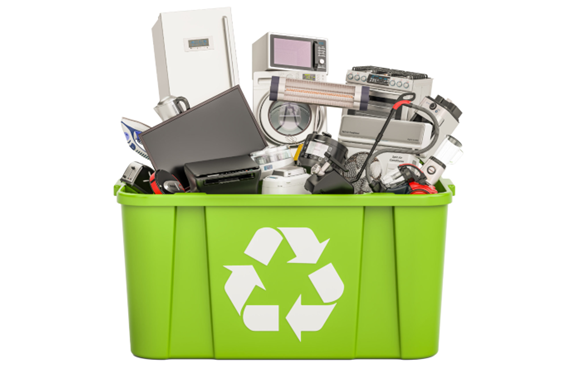
Implementing an electronics recycling program offers substantial benefits for businesses of all sizes. Whether you operate a large corporation or a small startup, electronic recycling provides an effective solution for responsible e-waste management. However, getting started can sometimes feel overwhelming.
You’re in the right place! This comprehensive guide will walk you through five simple steps to create and implement a sustainable electronic recycling program at your workplace.
You’ll find clear answers to common questions, including:
- What types of electronic waste can I recycle?
- How can I properly dispose of electronic devices?
- Is it necessary to destroy company data before recycling?
- How can I motivate employees to follow recycling guidelines?
Plus, discover trusted options for sending your old office electronics for recycling and processing. But first, let’s explore the key benefits of incorporating electronics recycling into your company culture.
Benefits of Electronics Recycling for Businesses
Recycling electronics offers numerous advantages that benefit your company, employees, and the planet. Here are just a few key benefits:
Protect the Environment
Electronic devices discarded in landfills can leak harmful substances such as lead, mercury, and cadmium into soil and water, causing serious environmental damage. By recycling electronics, your business helps reduce hazardous waste, conserves natural resources, and minimizes pollution, promoting a healthier ecosystem.
Safeguard Your Data
Discarded electronics often contain sensitive company and customer information. Implementing a formal recycling program with strict data destruction protocols significantly lowers the risk of data breaches and identity theft. Partnering with a certified recycler ensures secure data wiping or physical destruction, protecting your business reputation and compliance with data privacy laws.
Economic Benefits
Even outdated electronics hold valuable materials, including rare earth metals that can be recovered and reused. Recycling reduces raw material extraction costs and energy consumption. Additionally, some electronics recycling companies—such as eCycle Florida—offer payment or incentives for your old devices, turning e-waste into financial gains for your business.
How to Create an Electronic Recycling Program at Work
Ready to launch your electronic recycling initiative? Follow these five straightforward steps to establish an effective and long-lasting recycling program at your workplace.
1. Identify Recyclable Electronics
Start by listing the types of electronics your company produces as waste and can recycle. Common recyclable IT and office equipment include:
- Outdated computers and laptops
- Old smartphones, tablets, and cell phones
- Fax machines
- Wired landline phones
- Flash drives and external hard drives
- Televisions and monitors
- DVD and VHS players
- Projectors
- Radios and audio equipment
- Circuit boards and electronic components
- Other audiovisual equipment
Unsure whether a specific device is recyclable? Contact your local recycling center or certified electronics recycler for expert guidance.
2. Properly Dispose of Electronics
Once collected, determine the best disposal method based on the condition of your electronics:
- Donate: Functional devices can benefit schools, non-profits, or community programs.
- Sell: Recoup costs by selling working electronics through reputable channels.
- Recycle: Partner with a trusted, certified electronics recycling provider like eCycle Florida to ensure responsible disposal.
Remember: Before donating, selling, or recycling, make sure all data is securely erased to prevent information theft.
3. Protect Your Data
Data security is paramount in any electronics recycling initiative. Implement these best practices:
- Never discard devices without first deleting all sensitive data.
- Use certified data wiping software or physical destruction for hard drives.
- Clean devices thoroughly before donating or selling.
- Work only with recyclers who provide certificates of data destruction.
Professional recyclers like eCycle Florida ensure your data is completely irretrievable, providing peace of mind.
4. Develop a Comprehensive Plan
Draft a clear workplace recycling plan with defined steps, roles, and measurable goals. Especially if your company has multiple locations, establish standardized policies such as:
- Designated storage areas for electronics awaiting recycling
- Assigning recycling coordinators or team leaders
- Regular employee education on recycling benefits and procedures
- Setting annual recycling targets and tracking progress
- Implementing incentives to encourage participation
Clear communication and incentives boost employee engagement and recycling success.
5. Choose the Right Electronics Recycling Company
Select a reputable electronics recycler with the following qualities:
- Certified processes for equipment repair, recycling, and data destruction
- Environmental responsibility and eco-friendly recycling methods
- Transparent operations with proof of responsible disposal
- Positive customer reviews and solid industry reputation
Companies like eCycle Florida are R2 Certified and specialize in secure, compliant electronics recycling tailored to businesses.
Take Action Today
Don’t wait to make a positive environmental and financial impact. Partner with eCycle Florida to manage your electronic waste responsibly and efficiently. By adopting an electronics recycling program, you’ll protect the environment, safeguard your data, and create economic value for your company.
Contact eCycle Florida today to discover our comprehensive electronic recycling solutions. Together, we can foster a sustainable future for Orlando and beyond. Make electronic recycling a top priority at your workplace!
About the Author: This post was written by Steven Elia, Co-Founder and Recycling Director at eCycle Florida. eCycle Florida is an R2 Certified electronics recycling company based in Florida. We specialize in secure data destruction and environmentally responsible electronics recycling. eCycle Florida is your trusted partner for Pinellas County electronics recycling.
Frequently Asked Questions (FAQs)
Most office electronics can be recycled, including computers, laptops, smartphones, tablets, printers, fax machines, monitors, TVs, DVD players, and circuit boards. If you’re unsure about a specific item, contact a certified recycler for clarification.
Yes. All sensitive data must be securely erased or the storage devices physically destroyed to prevent data breaches. Using certified data destruction services ensures your information remains safe.
Absolutely. Donating functional electronics to schools, non-profits, or community programs extends their lifespan and supports good causes. Just ensure data is wiped before donation.
Educate staff on the environmental and economic benefits of recycling, provide clear instructions, designate recycling coordinators, and offer incentives or recognition to maintain participation and enthusiasm.
Look for recyclers with R2 (Responsible Recycling) or e-Stewards certifications. These certifications indicate adherence to strict environmental, data security, and operational standards.


