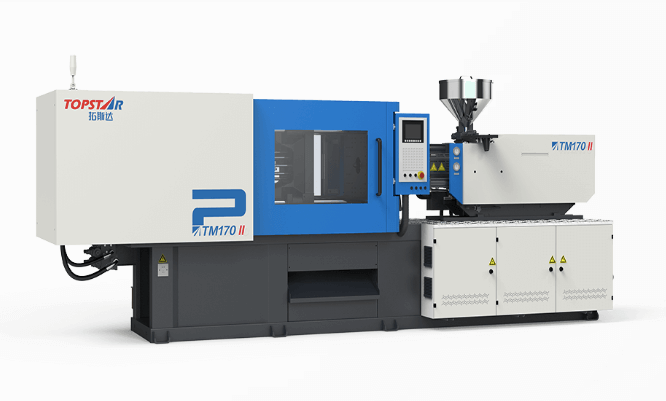
In today’s rapidly evolving manufacturing landscape, horizontal injection molding machines have become indispensable across multiple industries. These advanced machines have revolutionized production processes, delivering unparalleled precision, efficiency, and versatility. In this article, we explore the increasing significance of horizontal injection molding machines and how they are shaping the present and future of manufacturing worldwide.
The Versatility of Horizontal Injection Molding Machines
Horizontal injection molding machines injection molding machine are renowned for their exceptional versatility, capable of processing a wide range of materials from standard thermoplastics to high-performance composites. They accommodate diverse product designs — from delicate electronic components to sturdy automotive parts — making them indispensable in industries with dynamic manufacturing requirements. Their customization options allow manufacturers to adapt seamlessly to evolving market demands.
Precision and Consistency: The Cornerstones of Quality
A key strength of horizontal injection molding machines machines lies in their ability to consistently produce high-precision parts with tight tolerances. This precision ensures that every molded product meets stringent specifications, vital in sectors such as medical devices, aerospace, and automotive industries where even minor deviations can impact safety and functionality. Enhanced control systems reduce variability, resulting in superior product quality.
Efficiency Redefined for Modern Manufacturing
Efficiency is crucial for competitive manufacturing operations, and horizontal injection molding machines excel by minimizing downtime with their automated, rapid-cycle capabilities. Their seamless operation supports continuous production, leading to significantly higher output levels. This improved throughput not only lowers labor costs but also shortens lead times — a critical advantage in fast-paced markets.
Cost-Effectiveness in Production Processes
Manufacturers benefit from horizontal injection molding machines through substantial cost savings. Their high productivity reduces reliance on manual labor, lowering wage expenses. In addition, precise material metering and consistent molding processes minimize material waste and defective products, further decreasing raw material costs. Together, these factors enhance overall manufacturing profitability and efficiency.
The Role in Sustainable Manufacturing
With sustainability at the forefront of manufacturing priorities, horizontal injection molding machines contribute by optimizing raw material utilization and reducing scrap. Their energy-efficient designs align with eco-friendly production practices, helping facilities reduce their carbon footprint. Additionally, advancements in machine technology support the use of recycled materials, reinforcing green manufacturing initiatives.
Advanced Automation and Seamless Integration
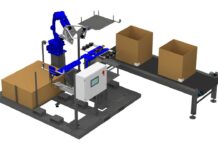
Modern horizontal injection molding machines horizontal injection molding machine are equipped with cutting-edge automation, enabling integration into fully automated production lines. This reduces manual intervention and operational errors, enhances process reliability, and boosts overall throughput. Advanced sensors and IoT connectivity offer real-time monitoring and data analytics, supporting predictive maintenance and continuous process optimization.
The Future of Manufacturing with Horizontal Injection Molding Machines
As Industry 4.0 advances, horizontal injection molding machines are evolving into intelligent, connected systems capable of real-time data exchange and adaptive control. These smart machines empower manufacturers with enhanced visibility, flexibility, and efficiency, driving innovation in product design and production scalability. The integration of AI and machine learning promises even greater optimization, cementing the role of horizontal injection molding in the future of manufacturing.
Conclusion
Horizontal injection molding machines have emerged as critical assets in modern manufacturing, offering unmatched versatility, precision, efficiency, and cost-effectiveness. Their continuous innovation aligns perfectly with the increasing demands for quality, sustainability, and automation across industries. As production environments become smarter and more connected, these machines will continue driving manufacturing excellence and shaping the products that define our daily lives.
Frequently Asked Questions (FAQs)
They can process a variety of materials including thermoplastics, thermosetting plastics, elastomers, and high-performance composites, enabling diverse product applications.
By maintaining tight tolerances and ensuring consistent processing conditions, they produce parts with high precision, reducing defects and variations.
Yes, modern horizontal injection molding machines are designed with energy-saving features that reduce power consumption and contribute to sustainable manufacturing practices.
Absolutely. They are equipped with advanced automation capabilities and IoT connectivity, allowing seamless integration into fully automated manufacturing systems.
Industries such as automotive, electronics, medical devices, consumer goods, and packaging benefit significantly due to the versatility and high precision these machines offer.